
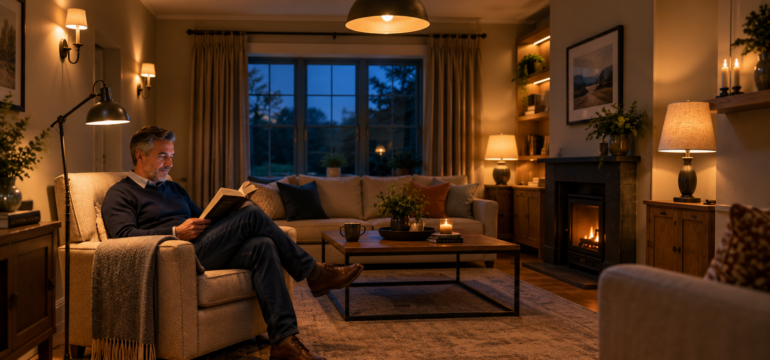

Walk into a beautifully designed room and you’ll notice something immediately: it feels balanced, warm and inviting. Often, that feeling has less to do with furniture or paint colour and far more to do with lighting; meet the 5-7 rule.
One of interior design’s most useful guidelines is the 5-7 rule: aim for five to seven separate light sources in a room to create depth, flexibility, and comfort.
This doesn’t mean your living room needs to look like a runway. Instead, it means layering different types of lighting so your space can adapt to everything from busy mornings to cosy evenings.
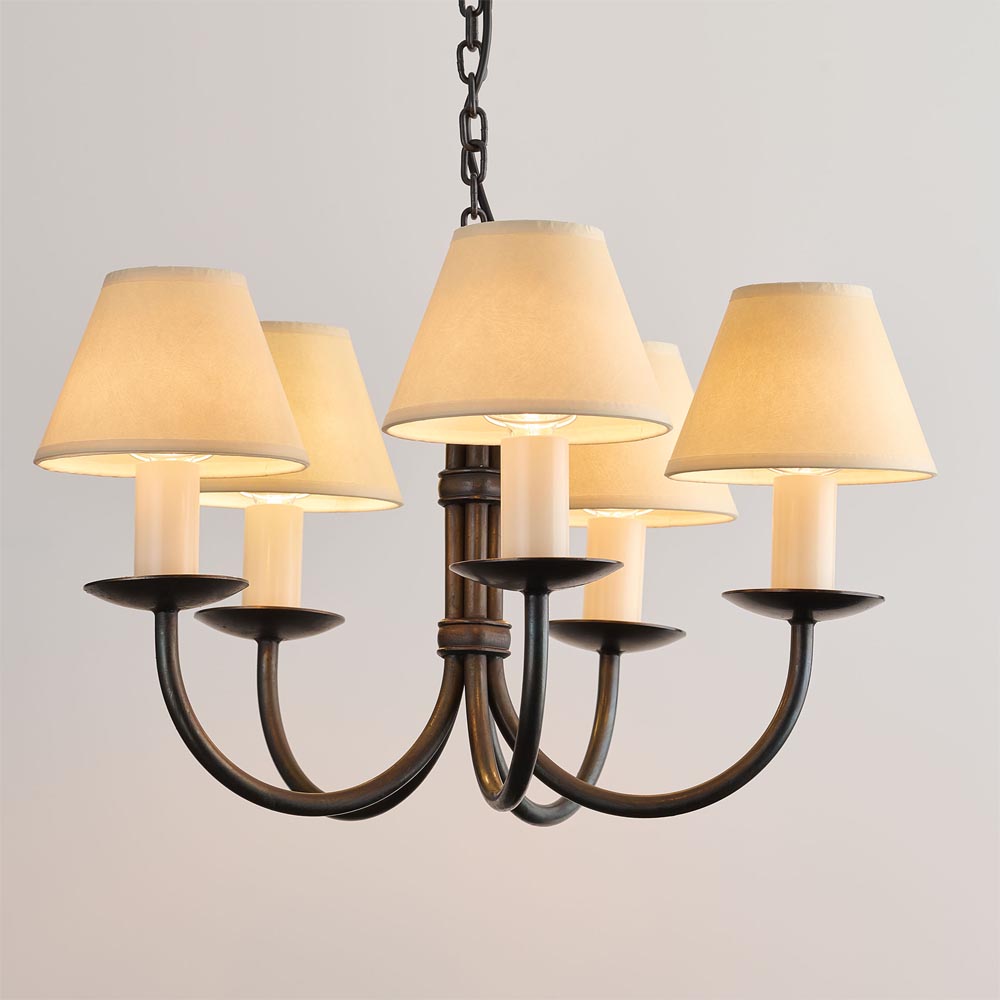
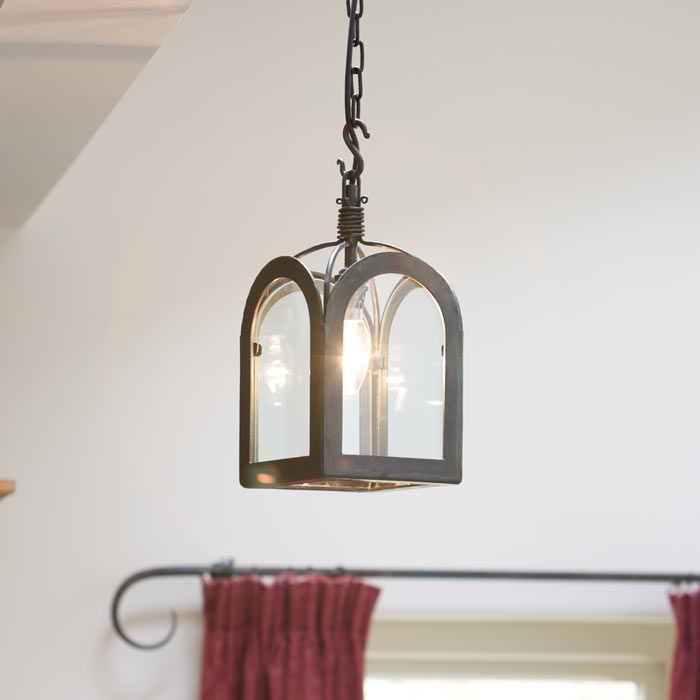
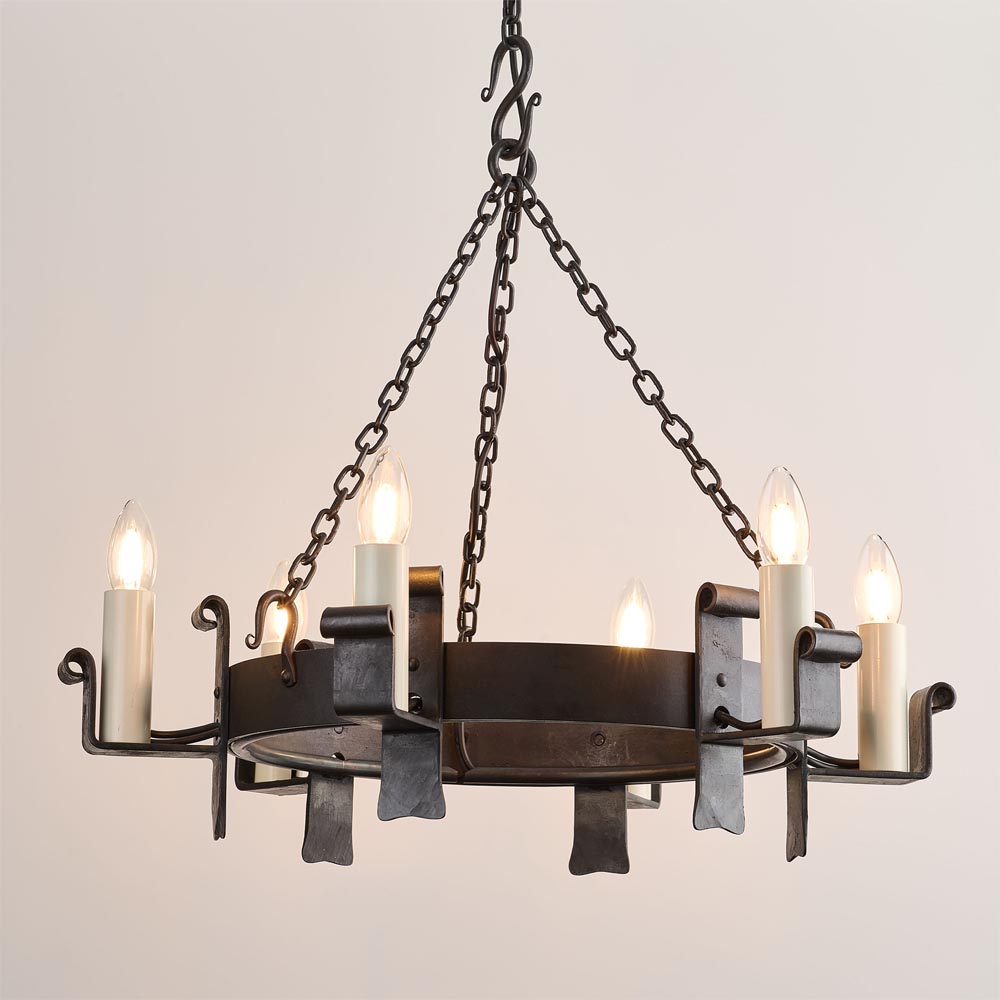
Where did the 5-7 rule come from?
The 5-7 rule doesn’t come from one single designer or historical movement. Rather, it developed over time as part of modern interior design’s growing focus on layered lighting, a concept that became especially popular in residential design throughout the late 20th century.
As homes became more open-plan and multifunctional, designers realised that relying on one central ceiling light created flat, uninviting spaces. Multiple light sources allowed rooms to feel softer, more flexible and more visually interesting.
The 5-7 rule became an easy shorthand: enough lighting variety to create atmosphere, but not so much that the room feels cluttered or over-lit.
Why is it so important?
Lighting affects far more than visibility. It shapes mood, function, and even how spacious a room feels.
Using five to seven light sources helps you combine three essential layers:
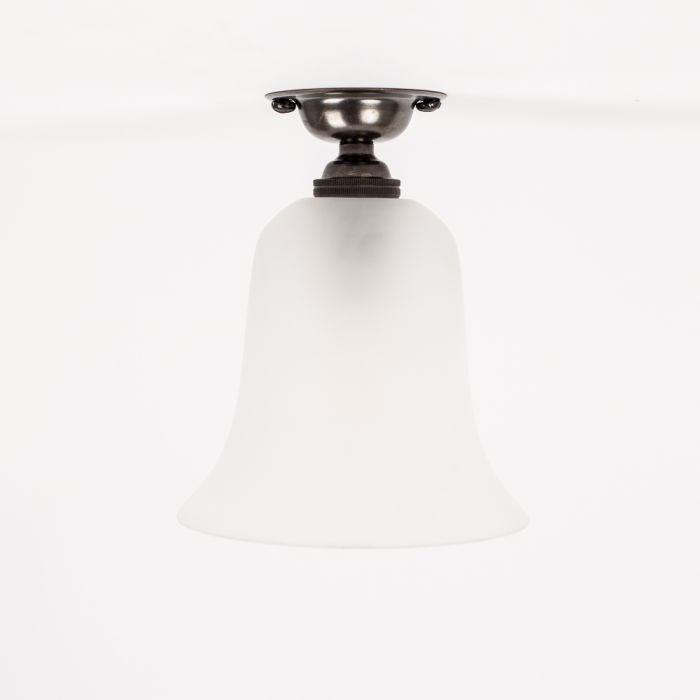
- Ambient lighting – your main overall illumination, such as ceiling pendants or recessed lights.
- Task lighting – focused light for practical activities like reading, cooking, or working.
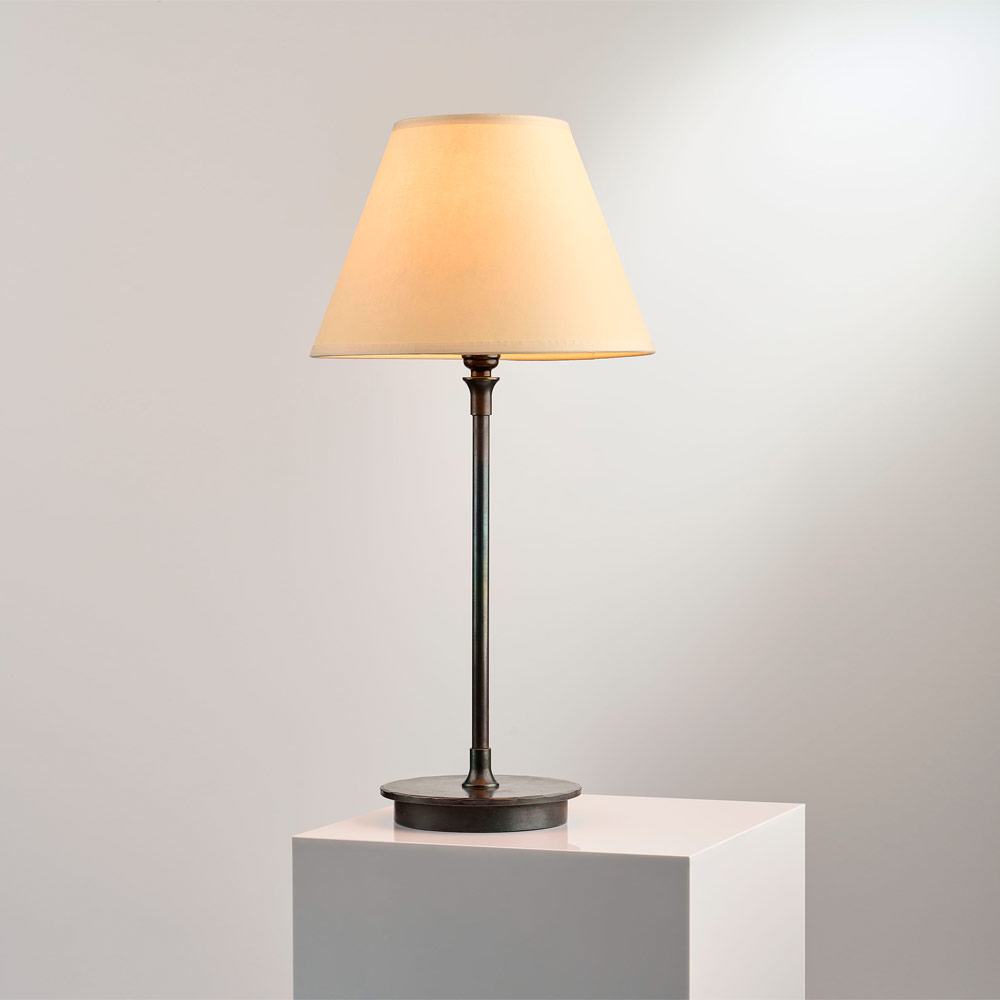
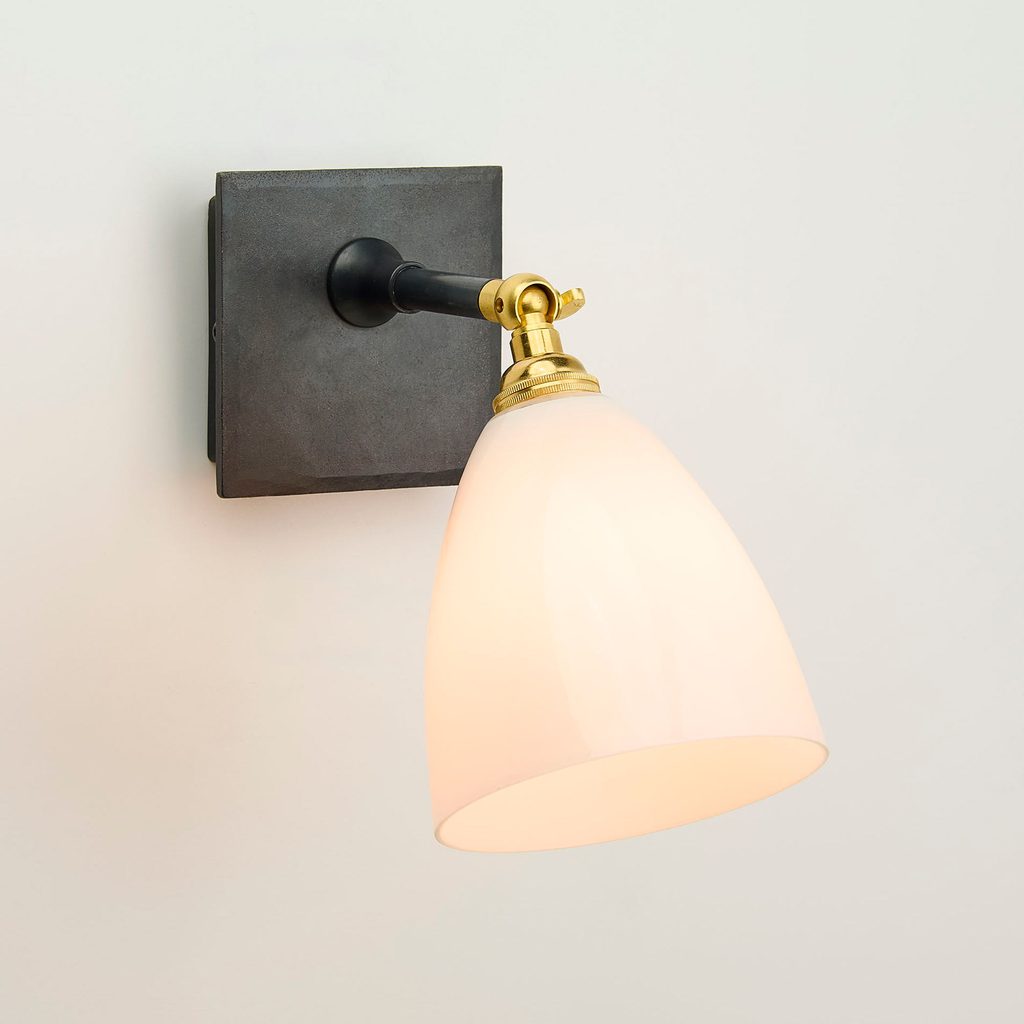
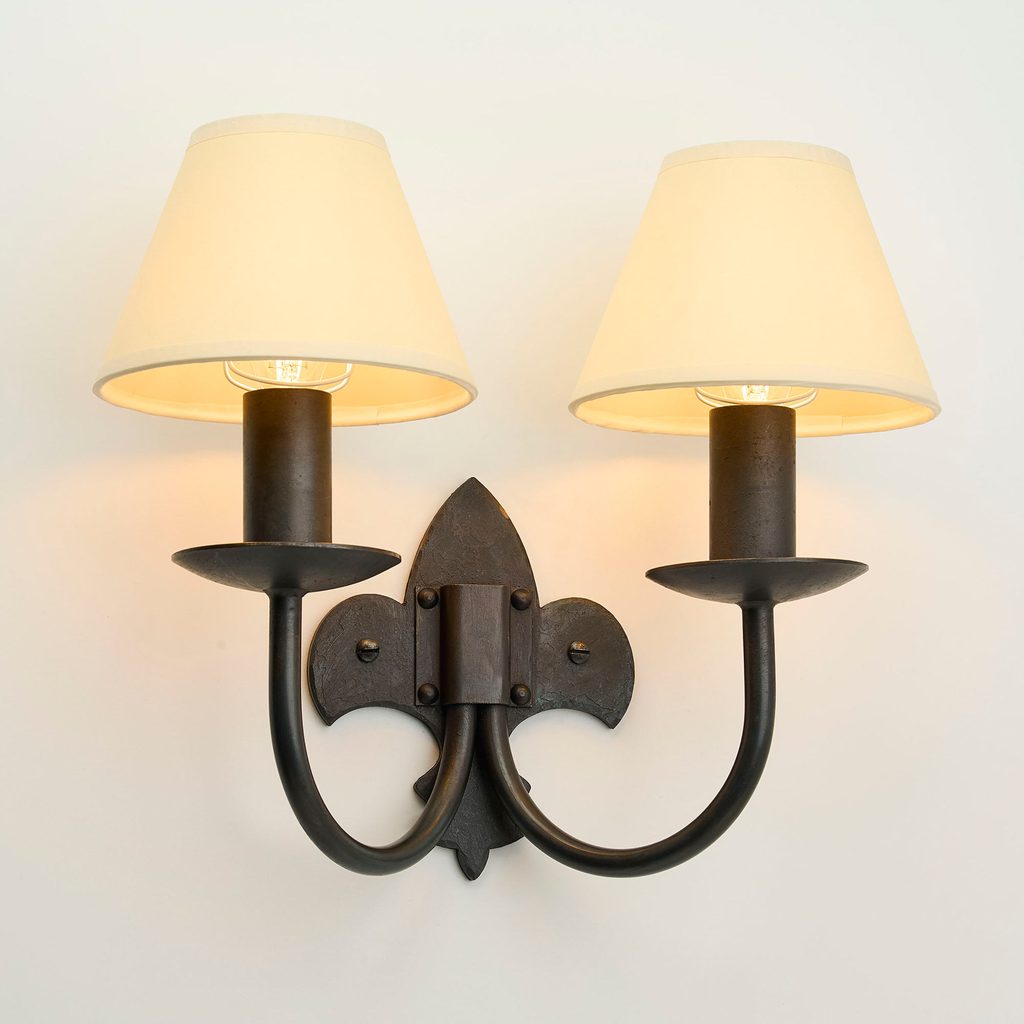
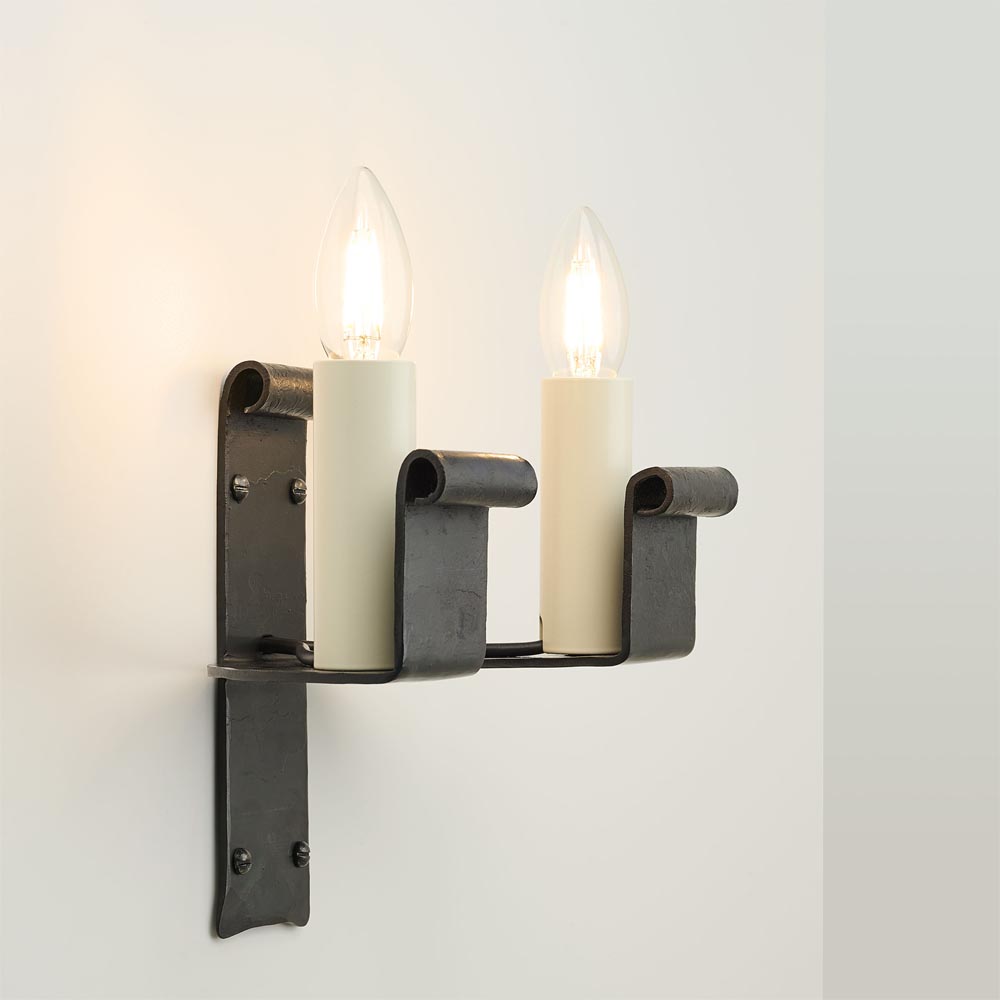
- Accent lighting – decorative or mood lighting, such as wall sconces, table lamps, or picture lights.
Together, these layers reduce harsh shadows, add dimension, and make a room feel thoughtfully designed rather than purely functional.
How to use the 5-7 rule at home
Think in layers rather than fixtures. A “light source” can include any individual point of light.
For example, in a living room, your five to seven sources might include:
- Ceiling pendant
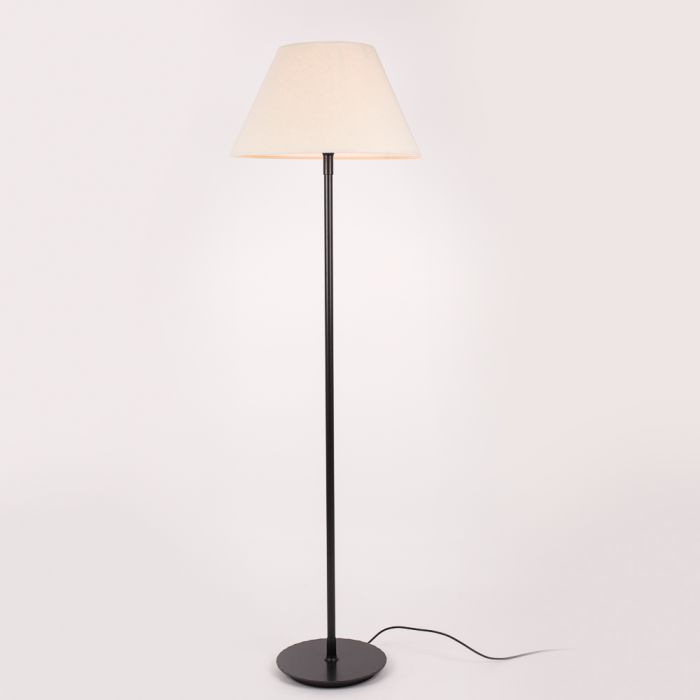
- Floor lamp by the sofa
- Two table lamps
- Wall sconces
- LED shelf lighting
- Picture light over artwork
The magic is in flexibility. Put lights on dimmers where possible, and choose warm-toned bulbs (around 2700K–3000K) for a softer glow.
Creating a Warm and Welcoming Space
A well-lit room should feel adaptable. Bright enough to function, soft enough to relax.
Instead of relying on a single overhead light, spread illumination around the room at different heights – low table lamps, mid-level wall lights, and higher ceiling fixtures. This creates visual balance and a much cosier atmosphere.
The result? A home that feels layered, intentional, and welcoming at any time of day.
Because great interiors aren’t just about what you see – they’re about how a space makes you feel.
You may also be interested in reading our blog on designing with light.
Next week, we’ll be looking at another important part of good lighting: understanding LED bulbs.



Leave a Reply
You must be logged in to post a comment.